
The basics are like everywhere in the EU, but Romania has a few quirks that surprise visitors and a few fines easily picked up out of ignorance. If you rent a car here, there are five things worth knowing before you set off.
The vignette (rovinietă): mandatory, electronic and with no 7-day option
To drive legally on national roads and motorways, you need the road vignette (rovinietă). It is fully electronic and you buy it in a few minutes from e-rovinieta.ro; it also applies to foreign-plated cars. The trap for tourists: for cars there is no 7-day vignette. The periods are 1 day, 10, 30, 60 days and a year — for a week-long stay, the 10-day one (around 30 lei) is the logical choice. Checks are automatic, with ANPR cameras; the fine for not having one is 100–500 lei. With us the vignette is already included.
The bridge toll, a separate charge towards the seaside
If you head to the sea on the A2, you also need the Fetești–Cernavodă bridge toll: 19 lei for a car, each crossing. It is a charge separate from the vignette (many confuse them) and you pay it by SMS to 7577, online or at petrol stations, no later than 24:00 the next day.
Headlights on during the day
Outside built-up areas, dipped (or daytime running) lights are mandatory during the day, all year. It is a rule many foreigners forget. On the open road, drive with your headlights on.
Alcohol: zero tolerance
Romania has zero tolerance — 0.00 g/l. It is not a one-drink-is-fine situation; any alcohol in your blood is an offence, and above a certain level it becomes a crime, with a criminal file. The practical rule: if you drive, do not drink at all.
Speed limits
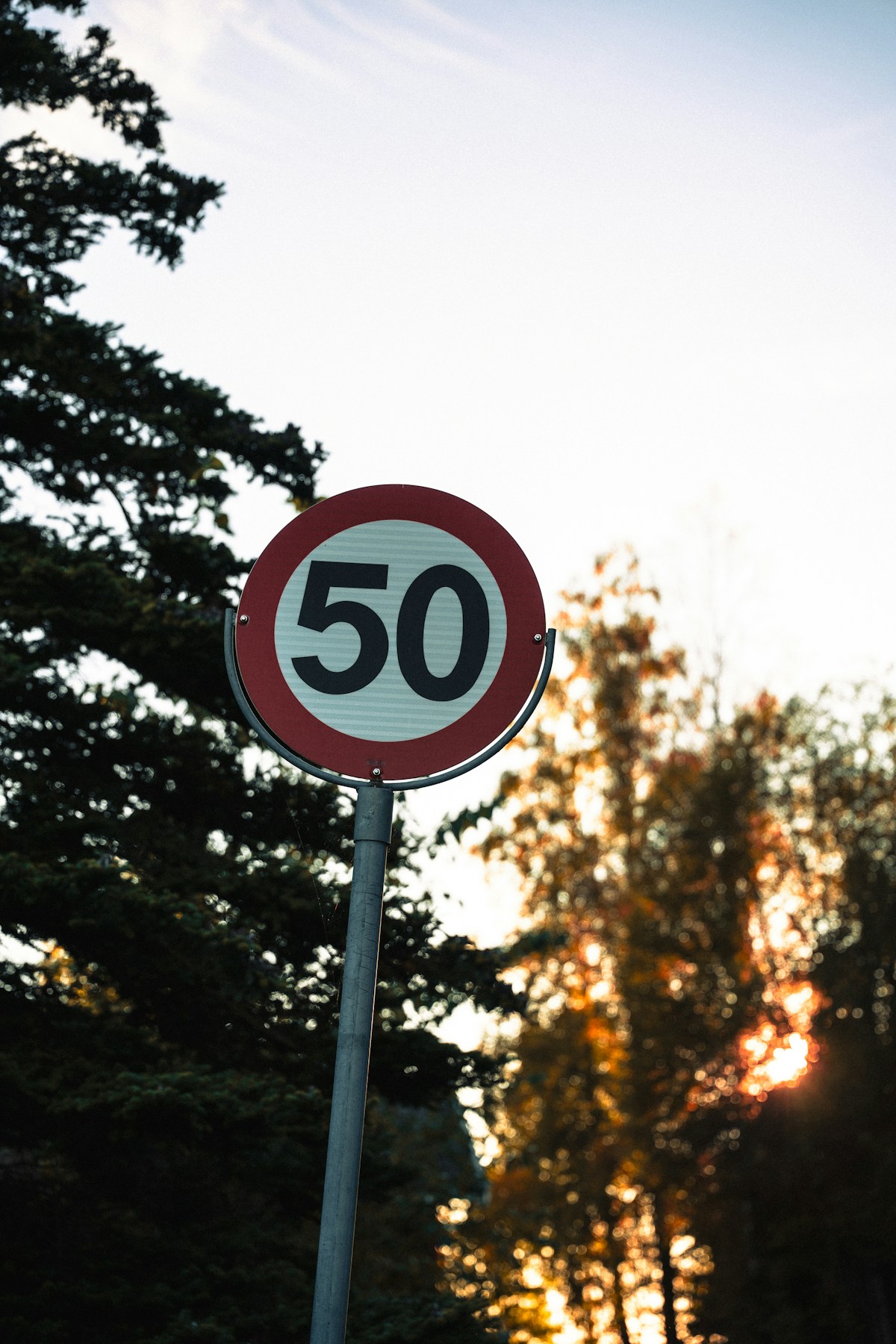
- 50 km/h in built-up areas,
- 90 km/h outside towns, on national roads,
- 100 km/h on expressways,
- 130 km/h on the motorway.
Radar is frequent, fixed and mobile. Novice drivers (in their first year) have lower limits, and the police can stop and fine you on the spot — keep your documents handy.
What to carry and what to do at a check
Traffic police can stop you for routine checks. It is no cause for panic: keep your licence, the registration certificate and, for a rental car, the contract handy. EU citizens drive on their national licence; those from outside the EU should also carry an international permit. The car must contain a first-aid kit, a warning triangle and a fire extinguisher, and a reflective vest is required when you step out onto the roadside outside a town — in a rental car these usually come as standard. The single emergency number is 112.
Other small but useful things
- Seat belts are mandatory for all passengers; children under 12 / 150 cm need a suitable seat.
- Phone hands-free only.
- Winter tyres when the road is covered in snow or ice.
- At unmarked junctions, priority goes to the vehicle on the right; trams have priority; so do pedestrians on marked crossings.
None of this is complicated, it is just different from what you are used to, and not knowing costs money. With driveXplore the cars come with the road vignette and accident & theft cover included and a €50 security deposit — pick up from Otopeni or Bucharest and set off with peace of mind.


