They don't issue fines. In 2026, speeding fines in Romania come from the e-SIGUR mobile radars and from ordinary police radars.
Where the new displays are
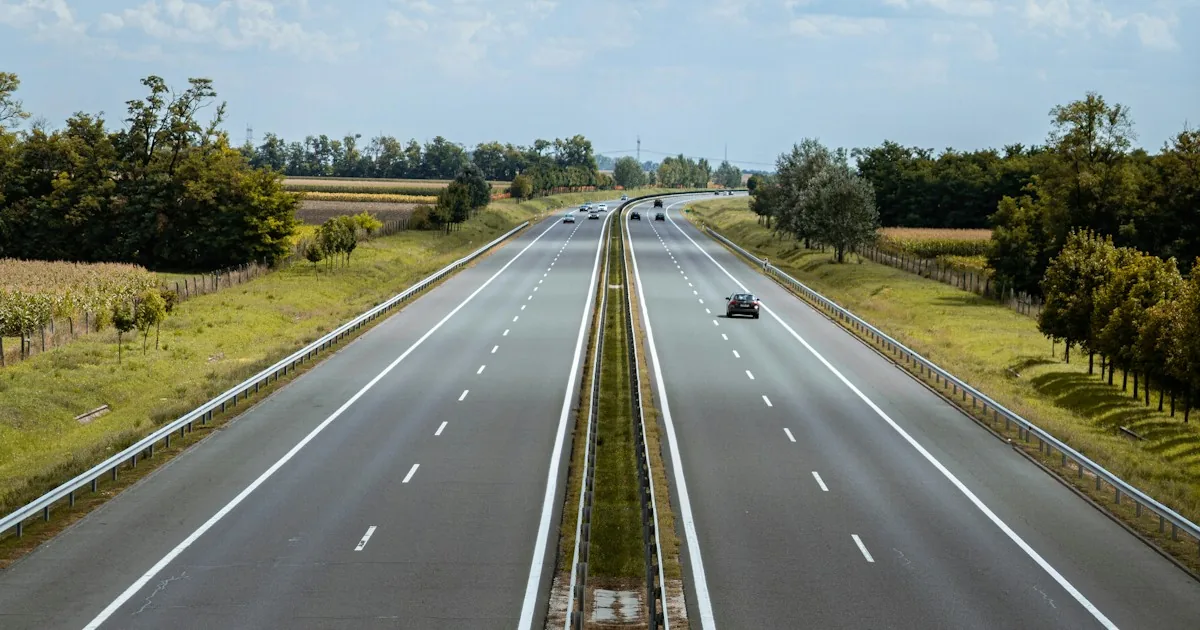
CNAIR, Romania's national roads company, installed them in September 2026 on the DN1 between Bucharest and Ploiești, at the entrances to Balotești, Snagov, Tâncăbești, Potigrafu and Puchenii Mari. More are due at Otopeni, Ciolpani and Bărcănești.
The DN1 is the road that runs from Otopeni airport north to Ploiești, the Prahova Valley and the mountains, so if you pick up a car at the airport and head for Brașov, you'll drive past all of them. The road runs through a chain of villages, each with a 50 km/h limit, and the displays sit right at those entrances.
Do they issue fines? Not for now
No. The displays don't send any data to the traffic police and aren't connected to e-SIGUR. CNAIR's spokesman, Alin Șerbănescu, said they aren't real radars but "traffic calming measures", and CNAIR is appealing to drivers' common sense.
Nationally, CNAIR has installed 138 of 145 such devices. Separately, it plans to install about 400 fixed radars connected to e-SIGUR during 2027, able to measure both spot speed and average speed; the first could be working by autumn 2027. That's a plan, not a working system.
Which cameras do fine you in 2026
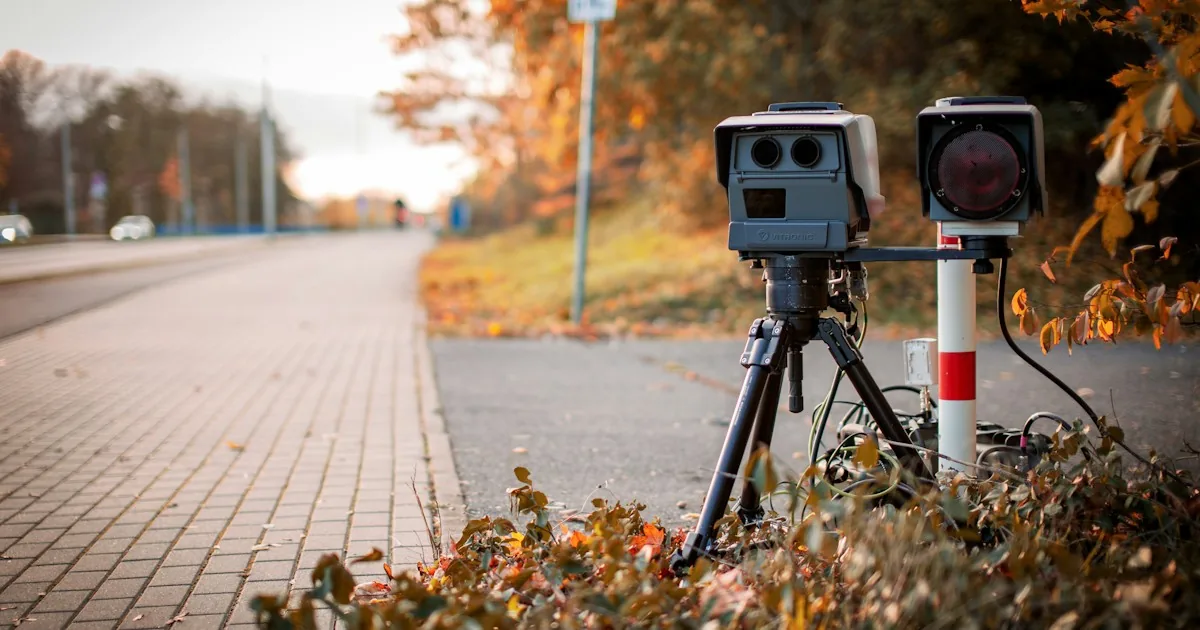
The e-SIGUR mobile radars are TruCAM units set up on tripods by the roadside, in use since January 2025. You aren't pulled over; the fine (proces-verbal) arrives by post at the address of the car's registered owner.
Police radars, in patrol cars and handheld, still stop you on the spot as they always have.
So the new DN1 displays don't fine you, but an e-SIGUR tripod or a police car on the same stretch can.
Average speed checks: how they'll work, and when
Average speed control uses a camera at point A and another at point B, and divides the distance by the time you took. Braking at the camera doesn't help if you were too fast between the two. In April 2026 the Romanian Police (IGPR) said it would take about two more years. It isn't active now.
What a speeding fine costs in 2026
Romanian fines are set in "fine points". Since 1 July 2026 one fine point is worth 216.25 lei, which is 5% of the gross minimum wage of 4,325 lei (it was 202.5 lei before).
A speeding fine falls into one of these classes, depending on the offence:
| Fine class | Fine points | Amount |
|---|---|---|
| Class I | 2–3 | 432.50–648.75 lei |
| Class II | 4–5 | 865–1,081.25 lei |
| Class III | 6–8 | 1,297.50–1,730 lei |
| Class IV | 9–20 | 1,946.25–4,325 lei |
On top of the fine, speeding adds penalty points to the driver's record:
- 10–20 km/h over the limit: 2 penalty points
- 21–30 km/h over: 3 points
- 31–40 km/h over: 4 points
- 41–50 km/h over: 6 points
More than 50 km/h over the limit means a 90-day driving ban, and more than 70 km/h over means 120 days. Collecting 15 penalty points means a 30-day ban. You can pay half the minimum fine if you pay within 15 days of receiving it.
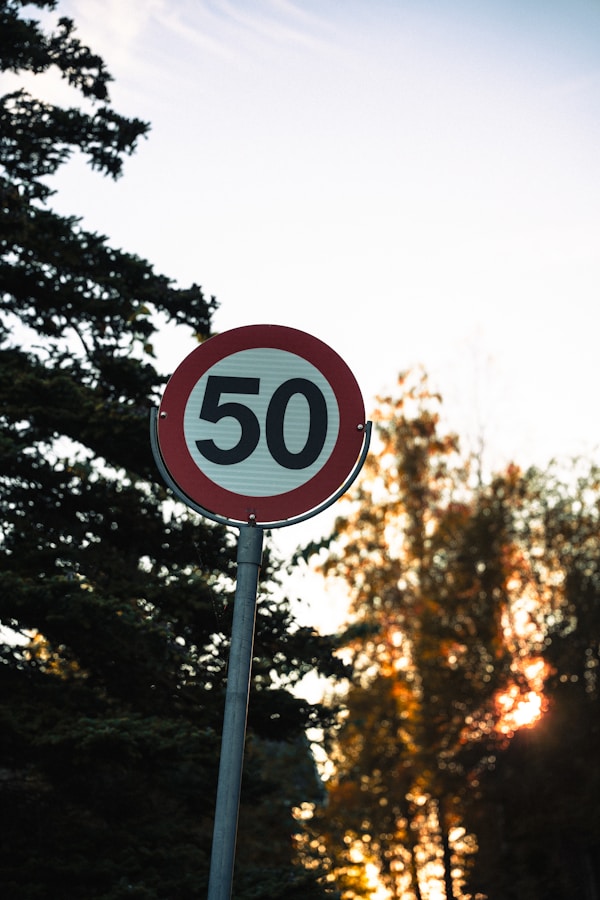
The limits: 50 km/h in towns and villages; outside them, 90 km/h on ordinary roads, 100 km/h on European (E) national roads such as the DN1, 120 km/h on expressways and 130 km/h on motorways.
What happens if you get a fine in a rental car
The fine goes first to the registered owner, which is the rental company. We identify the driver from the rental contract and send the declaration to the police; the fine is then issued in your name, and you pay it directly to the authorities.
Because your details go to the police, the fine can reach you after you've left Bucharest, or Romania.
Driving the DN1 from Otopeni to the mountains
- Slow to 50 km/h at every village sign; on the DN1 they come one after another.
- Use the smiley displays as a free speed check; an e-SIGUR tripod can still be set up on the same stretch.
- Saturday mornings out of Bucharest and Sunday afternoons back are slow towards the Prahova Valley.
- Phones hands-free only, including for navigation.
- Heading to Brașov or Bran for the autumn school break? Read our Romanian road rules visitors miss first.
FAQ
Do the new speed cameras on the DN1 issue fines?
No. The displays CNAIR installed on the DN1 show your speed and an emoticon; they aren't connected to e-SIGUR and don't send data to the police.
Which cameras issue speeding fines in Romania in 2026?
The e-SIGUR mobile radars, set up on tripods, and ordinary police radars. e-SIGUR fines arrive by post at the registered owner's address.
How much is a fine point in Romania in 2026?
216.25 lei since 1 July 2026. The total fine depends on the class of the offence.
Does Romania use average speed cameras?
Not yet. In April 2026 the Romanian Police said it would take about two more years.
What happens if I get a speeding fine in a rental car in Romania?
The rental company identifies you as the driver and forwards your details to the police, who issue the fine in your name.
Can I pay half the fine?
Yes, half the minimum amount, if you pay within 15 days of receiving the fine.
In short
- The new DN1 displays show your speed but don't fine you.
- e-SIGUR mobile radars and police radars do.
- One fine point is worth 216.25 lei since 1 July 2026.
- Average speed checks are planned, not active.
- In a rental car, the fine is issued in the name of the driver on the contract.
At driveXplore we meet you with the car at the Otopeni terminal, with a €50 security deposit on most cars, accident & theft cover included and unlimited mileage. For the drive to the mountains, see our cars.
Sources: CNAIR on the DN1 devices (Promotor) · Fine point value from 1 July 2026 (Digi24) · IGPR on average speed checks (Promotor).